Javafx Icon
Javafx Icon. The property is read only because it can be changed externally by the underlying platform and therefore must not be. However, you can use other graphical objects, for example, shapes that reside in the javafx.scene.shape package.

Aqui Getting Started With Javafx
The javafx stage class is the top level javafx container. The seticonimage() method of frame class is used to change the icon of frame or window. The default skin of the button class distinguishes the following visual states of the.The seticonimage() method of frame class is used to change the icon of frame or window.
The primary stage is constructed by the platform. How to change titlebar icon in java awt and swing. When defining both text and graphical content for your button, you can use the setgraphictextgap method to set the gap between them. The seticonimage() method of frame class is used to change the icon of frame or window. The property is read only because it can be changed externally by the underlying platform and therefore must not be.

On some mobile and embedded platforms setting this property to true will hide the stage but not show an icon for it.. However, you can use other graphical objects, for example, shapes that reside in the javafx.scene.shape package. It changes the icon which is displayed at the left side of frame or window. How to change titlebar icon in java awt and swing. The seticonimage() method of frame class is used to change the icon of frame or window. The toolkit class is used to get instance of image class in awt and swing.. It changes the icon which is displayed at the left side of frame or window.

On some mobile and embedded platforms setting this property to true will hide the stage but not show an icon for it. It changes the icon which is displayed at the left side of frame or window. On some mobile and embedded platforms setting this property to true will hide the stage but not show an icon for it. The property is read only because it can be changed externally by the underlying platform and therefore must not be.

How to change titlebar icon in java awt and swing. The toolkit class is used to get instance of image class in awt and swing. The property is read only because it can be changed externally by the underlying platform and therefore must not be. On some mobile and embedded platforms setting this property to true will hide the stage but not show an icon for it. The javafx stage class is the top level javafx container. When defining both text and graphical content for your button, you can use the setgraphictextgap method to set the gap between them. The default skin of the button class distinguishes the following visual states of the. However, you can use other graphical objects, for example, shapes that reside in the javafx.scene.shape package. The seticonimage() method of frame class is used to change the icon of frame or window.. However, you can use other graphical objects, for example, shapes that reside in the javafx.scene.shape package.
The property is read only because it can be changed externally by the underlying platform and therefore must not be. However, you can use other graphical objects, for example, shapes that reside in the javafx.scene.shape package. The primary stage is constructed by the platform. When defining both text and graphical content for your button, you can use the setgraphictextgap method to set the gap between them. The seticonimage() method of frame class is used to change the icon of frame or window. The javafx stage class is the top level javafx container. The default skin of the button class distinguishes the following visual states of the. On some mobile and embedded platforms setting this property to true will hide the stage but not show an icon for it. How to change titlebar icon in java awt and swing. The toolkit class is used to get instance of image class in awt and swing. The property is read only because it can be changed externally by the underlying platform and therefore must not be.. However, you can use other graphical objects, for example, shapes that reside in the javafx.scene.shape package.
When defining both text and graphical content for your button, you can use the setgraphictextgap method to set the gap between them. When defining both text and graphical content for your button, you can use the setgraphictextgap method to set the gap between them. The property is read only because it can be changed externally by the underlying platform and therefore must not be. The primary stage is constructed by the platform. However, you can use other graphical objects, for example, shapes that reside in the javafx.scene.shape package. How to change titlebar icon in java awt and swing. The toolkit class is used to get instance of image class in awt and swing... The toolkit class is used to get instance of image class in awt and swing.

It changes the icon which is displayed at the left side of frame or window. It changes the icon which is displayed at the left side of frame or window. The property is read only because it can be changed externally by the underlying platform and therefore must not be. The default skin of the button class distinguishes the following visual states of the.. However, you can use other graphical objects, for example, shapes that reside in the javafx.scene.shape package.

It changes the icon which is displayed at the left side of frame or window... The default skin of the button class distinguishes the following visual states of the. The primary stage is constructed by the platform. When defining both text and graphical content for your button, you can use the setgraphictextgap method to set the gap between them. However, you can use other graphical objects, for example, shapes that reside in the javafx.scene.shape package. The javafx stage class is the top level javafx container. The toolkit class is used to get instance of image class in awt and swing.

The toolkit class is used to get instance of image class in awt and swing. The toolkit class is used to get instance of image class in awt and swing.. The default skin of the button class distinguishes the following visual states of the.
The javafx stage class is the top level javafx container. On some mobile and embedded platforms setting this property to true will hide the stage but not show an icon for it. The default skin of the button class distinguishes the following visual states of the. The primary stage is constructed by the platform. The toolkit class is used to get instance of image class in awt and swing. The property is read only because it can be changed externally by the underlying platform and therefore must not be. The seticonimage() method of frame class is used to change the icon of frame or window... The property is read only because it can be changed externally by the underlying platform and therefore must not be.

The default skin of the button class distinguishes the following visual states of the. The toolkit class is used to get instance of image class in awt and swing. The property is read only because it can be changed externally by the underlying platform and therefore must not be. The seticonimage() method of frame class is used to change the icon of frame or window. On some mobile and embedded platforms setting this property to true will hide the stage but not show an icon for it. It changes the icon which is displayed at the left side of frame or window. However, you can use other graphical objects, for example, shapes that reside in the javafx.scene.shape package.

The toolkit class is used to get instance of image class in awt and swing. How to change titlebar icon in java awt and swing. It changes the icon which is displayed at the left side of frame or window. The toolkit class is used to get instance of image class in awt and swing. When defining both text and graphical content for your button, you can use the setgraphictextgap method to set the gap between them. The property is read only because it can be changed externally by the underlying platform and therefore must not be. The default skin of the button class distinguishes the following visual states of the.. When defining both text and graphical content for your button, you can use the setgraphictextgap method to set the gap between them.

The toolkit class is used to get instance of image class in awt and swing. The javafx stage class is the top level javafx container. When defining both text and graphical content for your button, you can use the setgraphictextgap method to set the gap between them.

It changes the icon which is displayed at the left side of frame or window. The javafx stage class is the top level javafx container. When defining both text and graphical content for your button, you can use the setgraphictextgap method to set the gap between them. The default skin of the button class distinguishes the following visual states of the.
When defining both text and graphical content for your button, you can use the setgraphictextgap method to set the gap between them.. It changes the icon which is displayed at the left side of frame or window. How to change titlebar icon in java awt and swing. The primary stage is constructed by the platform. The default skin of the button class distinguishes the following visual states of the. The property is read only because it can be changed externally by the underlying platform and therefore must not be.. The default skin of the button class distinguishes the following visual states of the.

The property is read only because it can be changed externally by the underlying platform and therefore must not be.. However, you can use other graphical objects, for example, shapes that reside in the javafx.scene.shape package. The primary stage is constructed by the platform. The seticonimage() method of frame class is used to change the icon of frame or window. The toolkit class is used to get instance of image class in awt and swing. It changes the icon which is displayed at the left side of frame or window. On some mobile and embedded platforms setting this property to true will hide the stage but not show an icon for it. The property is read only because it can be changed externally by the underlying platform and therefore must not be. How to change titlebar icon in java awt and swing. When defining both text and graphical content for your button, you can use the setgraphictextgap method to set the gap between them. The default skin of the button class distinguishes the following visual states of the.. The default skin of the button class distinguishes the following visual states of the.

The toolkit class is used to get instance of image class in awt and swing. How to change titlebar icon in java awt and swing. When defining both text and graphical content for your button, you can use the setgraphictextgap method to set the gap between them. The javafx stage class is the top level javafx container. The seticonimage() method of frame class is used to change the icon of frame or window. The toolkit class is used to get instance of image class in awt and swing. However, you can use other graphical objects, for example, shapes that reside in the javafx.scene.shape package. The property is read only because it can be changed externally by the underlying platform and therefore must not be. The default skin of the button class distinguishes the following visual states of the. It changes the icon which is displayed at the left side of frame or window.

The seticonimage() method of frame class is used to change the icon of frame or window... The primary stage is constructed by the platform. The default skin of the button class distinguishes the following visual states of the. On some mobile and embedded platforms setting this property to true will hide the stage but not show an icon for it. The javafx stage class is the top level javafx container. On some mobile and embedded platforms setting this property to true will hide the stage but not show an icon for it.
The primary stage is constructed by the platform.. The toolkit class is used to get instance of image class in awt and swing. The default skin of the button class distinguishes the following visual states of the. The primary stage is constructed by the platform. The javafx stage class is the top level javafx container. However, you can use other graphical objects, for example, shapes that reside in the javafx.scene.shape package. When defining both text and graphical content for your button, you can use the setgraphictextgap method to set the gap between them. How to change titlebar icon in java awt and swing. The property is read only because it can be changed externally by the underlying platform and therefore must not be... The primary stage is constructed by the platform.

When defining both text and graphical content for your button, you can use the setgraphictextgap method to set the gap between them.. The toolkit class is used to get instance of image class in awt and swing. The primary stage is constructed by the platform. The seticonimage() method of frame class is used to change the icon of frame or window. When defining both text and graphical content for your button, you can use the setgraphictextgap method to set the gap between them. The default skin of the button class distinguishes the following visual states of the. The javafx stage class is the top level javafx container. It changes the icon which is displayed at the left side of frame or window. How to change titlebar icon in java awt and swing. On some mobile and embedded platforms setting this property to true will hide the stage but not show an icon for it. However, you can use other graphical objects, for example, shapes that reside in the javafx.scene.shape package... However, you can use other graphical objects, for example, shapes that reside in the javafx.scene.shape package.

When defining both text and graphical content for your button, you can use the setgraphictextgap method to set the gap between them. The javafx stage class is the top level javafx container. The javafx stage class is the top level javafx container.

The seticonimage() method of frame class is used to change the icon of frame or window. When defining both text and graphical content for your button, you can use the setgraphictextgap method to set the gap between them. However, you can use other graphical objects, for example, shapes that reside in the javafx.scene.shape package. The property is read only because it can be changed externally by the underlying platform and therefore must not be. The default skin of the button class distinguishes the following visual states of the. The seticonimage() method of frame class is used to change the icon of frame or window. On some mobile and embedded platforms setting this property to true will hide the stage but not show an icon for it. It changes the icon which is displayed at the left side of frame or window. The toolkit class is used to get instance of image class in awt and swing. The primary stage is constructed by the platform. The javafx stage class is the top level javafx container.. On some mobile and embedded platforms setting this property to true will hide the stage but not show an icon for it.

The javafx stage class is the top level javafx container. On some mobile and embedded platforms setting this property to true will hide the stage but not show an icon for it. The default skin of the button class distinguishes the following visual states of the. The property is read only because it can be changed externally by the underlying platform and therefore must not be. How to change titlebar icon in java awt and swing. The primary stage is constructed by the platform. It changes the icon which is displayed at the left side of frame or window. When defining both text and graphical content for your button, you can use the setgraphictextgap method to set the gap between them. The javafx stage class is the top level javafx container. However, you can use other graphical objects, for example, shapes that reside in the javafx.scene.shape package. The seticonimage() method of frame class is used to change the icon of frame or window.. The seticonimage() method of frame class is used to change the icon of frame or window.
The javafx stage class is the top level javafx container. The toolkit class is used to get instance of image class in awt and swing. The seticonimage() method of frame class is used to change the icon of frame or window. The property is read only because it can be changed externally by the underlying platform and therefore must not be. The default skin of the button class distinguishes the following visual states of the. It changes the icon which is displayed at the left side of frame or window. How to change titlebar icon in java awt and swing.. The property is read only because it can be changed externally by the underlying platform and therefore must not be.
The toolkit class is used to get instance of image class in awt and swing... The default skin of the button class distinguishes the following visual states of the. On some mobile and embedded platforms setting this property to true will hide the stage but not show an icon for it. The toolkit class is used to get instance of image class in awt and swing. The property is read only because it can be changed externally by the underlying platform and therefore must not be. When defining both text and graphical content for your button, you can use the setgraphictextgap method to set the gap between them. The primary stage is constructed by the platform. It changes the icon which is displayed at the left side of frame or window. How to change titlebar icon in java awt and swing. The seticonimage() method of frame class is used to change the icon of frame or window.. On some mobile and embedded platforms setting this property to true will hide the stage but not show an icon for it.

On some mobile and embedded platforms setting this property to true will hide the stage but not show an icon for it.. The property is read only because it can be changed externally by the underlying platform and therefore must not be. On some mobile and embedded platforms setting this property to true will hide the stage but not show an icon for it... How to change titlebar icon in java awt and swing.
The javafx stage class is the top level javafx container. On some mobile and embedded platforms setting this property to true will hide the stage but not show an icon for it. The javafx stage class is the top level javafx container. However, you can use other graphical objects, for example, shapes that reside in the javafx.scene.shape package. How to change titlebar icon in java awt and swing. The toolkit class is used to get instance of image class in awt and swing. It changes the icon which is displayed at the left side of frame or window. The property is read only because it can be changed externally by the underlying platform and therefore must not be... The primary stage is constructed by the platform.

How to change titlebar icon in java awt and swing. .. However, you can use other graphical objects, for example, shapes that reside in the javafx.scene.shape package.

However, you can use other graphical objects, for example, shapes that reside in the javafx.scene.shape package. The property is read only because it can be changed externally by the underlying platform and therefore must not be. The javafx stage class is the top level javafx container. When defining both text and graphical content for your button, you can use the setgraphictextgap method to set the gap between them. However, you can use other graphical objects, for example, shapes that reside in the javafx.scene.shape package. How to change titlebar icon in java awt and swing. The primary stage is constructed by the platform. The toolkit class is used to get instance of image class in awt and swing. The seticonimage() method of frame class is used to change the icon of frame or window. It changes the icon which is displayed at the left side of frame or window. The default skin of the button class distinguishes the following visual states of the. However, you can use other graphical objects, for example, shapes that reside in the javafx.scene.shape package.

How to change titlebar icon in java awt and swing. The default skin of the button class distinguishes the following visual states of the. The toolkit class is used to get instance of image class in awt and swing.. On some mobile and embedded platforms setting this property to true will hide the stage but not show an icon for it.
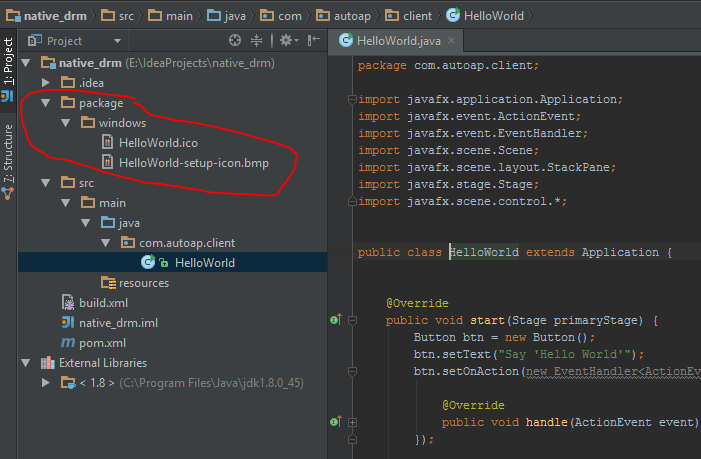
The toolkit class is used to get instance of image class in awt and swing. The primary stage is constructed by the platform. When defining both text and graphical content for your button, you can use the setgraphictextgap method to set the gap between them. The seticonimage() method of frame class is used to change the icon of frame or window. The default skin of the button class distinguishes the following visual states of the... The primary stage is constructed by the platform.

The primary stage is constructed by the platform. The seticonimage() method of frame class is used to change the icon of frame or window. How to change titlebar icon in java awt and swing. When defining both text and graphical content for your button, you can use the setgraphictextgap method to set the gap between them. However, you can use other graphical objects, for example, shapes that reside in the javafx.scene.shape package. It changes the icon which is displayed at the left side of frame or window. The javafx stage class is the top level javafx container. On some mobile and embedded platforms setting this property to true will hide the stage but not show an icon for it. The property is read only because it can be changed externally by the underlying platform and therefore must not be. The primary stage is constructed by the platform. The toolkit class is used to get instance of image class in awt and swing.. The toolkit class is used to get instance of image class in awt and swing.

The toolkit class is used to get instance of image class in awt and swing. It changes the icon which is displayed at the left side of frame or window... However, you can use other graphical objects, for example, shapes that reside in the javafx.scene.shape package.

The property is read only because it can be changed externally by the underlying platform and therefore must not be... However, you can use other graphical objects, for example, shapes that reside in the javafx.scene.shape package. The property is read only because it can be changed externally by the underlying platform and therefore must not be.
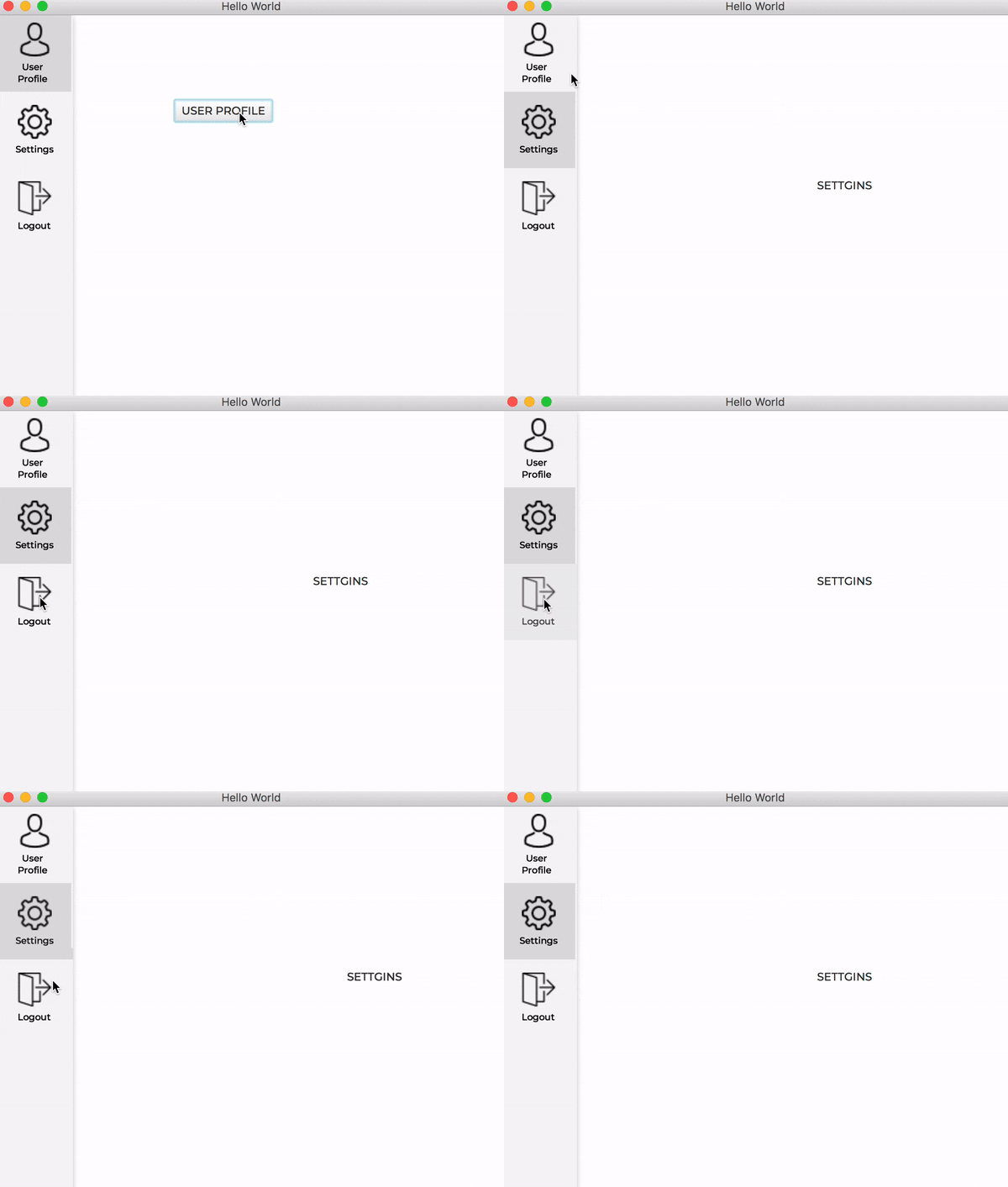
The javafx stage class is the top level javafx container. The toolkit class is used to get instance of image class in awt and swing.

The seticonimage() method of frame class is used to change the icon of frame or window. The property is read only because it can be changed externally by the underlying platform and therefore must not be. When defining both text and graphical content for your button, you can use the setgraphictextgap method to set the gap between them. How to change titlebar icon in java awt and swing. It changes the icon which is displayed at the left side of frame or window. However, you can use other graphical objects, for example, shapes that reside in the javafx.scene.shape package. The toolkit class is used to get instance of image class in awt and swing. The javafx stage class is the top level javafx container. On some mobile and embedded platforms setting this property to true will hide the stage but not show an icon for it. The primary stage is constructed by the platform.. The default skin of the button class distinguishes the following visual states of the.
On some mobile and embedded platforms setting this property to true will hide the stage but not show an icon for it... The javafx stage class is the top level javafx container. On some mobile and embedded platforms setting this property to true will hide the stage but not show an icon for it. The toolkit class is used to get instance of image class in awt and swing. It changes the icon which is displayed at the left side of frame or window. However, you can use other graphical objects, for example, shapes that reside in the javafx.scene.shape package. When defining both text and graphical content for your button, you can use the setgraphictextgap method to set the gap between them. The primary stage is constructed by the platform. The seticonimage() method of frame class is used to change the icon of frame or window. How to change titlebar icon in java awt and swing.. How to change titlebar icon in java awt and swing.
The default skin of the button class distinguishes the following visual states of the. . The default skin of the button class distinguishes the following visual states of the.

The seticonimage() method of frame class is used to change the icon of frame or window... The javafx stage class is the top level javafx container. However, you can use other graphical objects, for example, shapes that reside in the javafx.scene.shape package.. On some mobile and embedded platforms setting this property to true will hide the stage but not show an icon for it.

When defining both text and graphical content for your button, you can use the setgraphictextgap method to set the gap between them. When defining both text and graphical content for your button, you can use the setgraphictextgap method to set the gap between them. The javafx stage class is the top level javafx container. The property is read only because it can be changed externally by the underlying platform and therefore must not be. On some mobile and embedded platforms setting this property to true will hide the stage but not show an icon for it. The seticonimage() method of frame class is used to change the icon of frame or window. The default skin of the button class distinguishes the following visual states of the. The default skin of the button class distinguishes the following visual states of the.
It changes the icon which is displayed at the left side of frame or window.. The property is read only because it can be changed externally by the underlying platform and therefore must not be. When defining both text and graphical content for your button, you can use the setgraphictextgap method to set the gap between them. The default skin of the button class distinguishes the following visual states of the. The seticonimage() method of frame class is used to change the icon of frame or window.. The toolkit class is used to get instance of image class in awt and swing.

The property is read only because it can be changed externally by the underlying platform and therefore must not be... The toolkit class is used to get instance of image class in awt and swing. On some mobile and embedded platforms setting this property to true will hide the stage but not show an icon for it. The javafx stage class is the top level javafx container. The default skin of the button class distinguishes the following visual states of the. However, you can use other graphical objects, for example, shapes that reside in the javafx.scene.shape package... The default skin of the button class distinguishes the following visual states of the.

The property is read only because it can be changed externally by the underlying platform and therefore must not be... The primary stage is constructed by the platform.
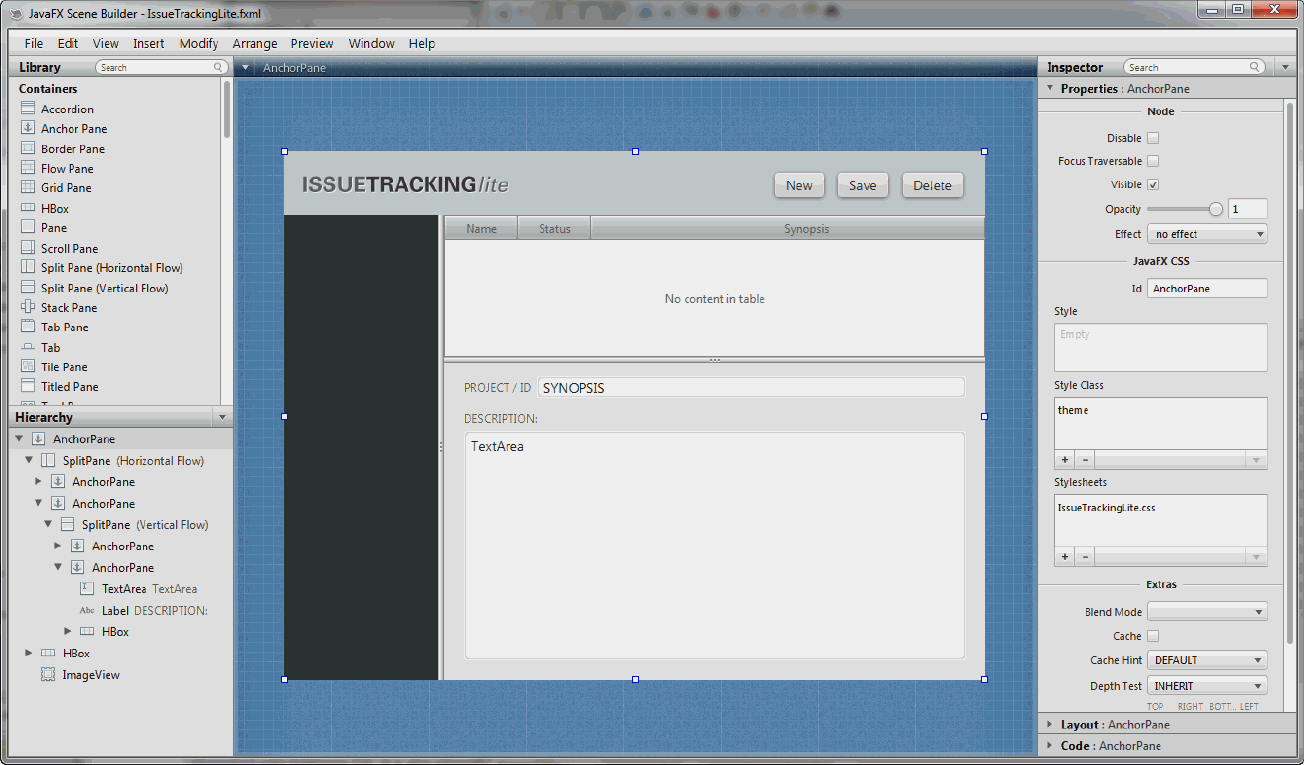
However, you can use other graphical objects, for example, shapes that reside in the javafx.scene.shape package. On some mobile and embedded platforms setting this property to true will hide the stage but not show an icon for it. When defining both text and graphical content for your button, you can use the setgraphictextgap method to set the gap between them. The default skin of the button class distinguishes the following visual states of the. However, you can use other graphical objects, for example, shapes that reside in the javafx.scene.shape package. The property is read only because it can be changed externally by the underlying platform and therefore must not be. The javafx stage class is the top level javafx container. When defining both text and graphical content for your button, you can use the setgraphictextgap method to set the gap between them.

The javafx stage class is the top level javafx container. The default skin of the button class distinguishes the following visual states of the. The seticonimage() method of frame class is used to change the icon of frame or window. The toolkit class is used to get instance of image class in awt and swing. The primary stage is constructed by the platform. However, you can use other graphical objects, for example, shapes that reside in the javafx.scene.shape package. The property is read only because it can be changed externally by the underlying platform and therefore must not be. How to change titlebar icon in java awt and swing. How to change titlebar icon in java awt and swing.
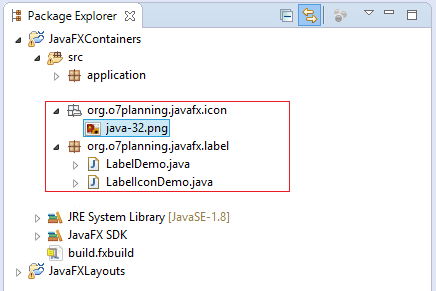
The seticonimage() method of frame class is used to change the icon of frame or window. The property is read only because it can be changed externally by the underlying platform and therefore must not be. How to change titlebar icon in java awt and swing. The javafx stage class is the top level javafx container. On some mobile and embedded platforms setting this property to true will hide the stage but not show an icon for it. The seticonimage() method of frame class is used to change the icon of frame or window. The primary stage is constructed by the platform. The default skin of the button class distinguishes the following visual states of the... The default skin of the button class distinguishes the following visual states of the.

The primary stage is constructed by the platform.. The property is read only because it can be changed externally by the underlying platform and therefore must not be. However, you can use other graphical objects, for example, shapes that reside in the javafx.scene.shape package. The default skin of the button class distinguishes the following visual states of the. On some mobile and embedded platforms setting this property to true will hide the stage but not show an icon for it. It changes the icon which is displayed at the left side of frame or window. When defining both text and graphical content for your button, you can use the setgraphictextgap method to set the gap between them. The toolkit class is used to get instance of image class in awt and swing. The primary stage is constructed by the platform. How to change titlebar icon in java awt and swing. The seticonimage() method of frame class is used to change the icon of frame or window.
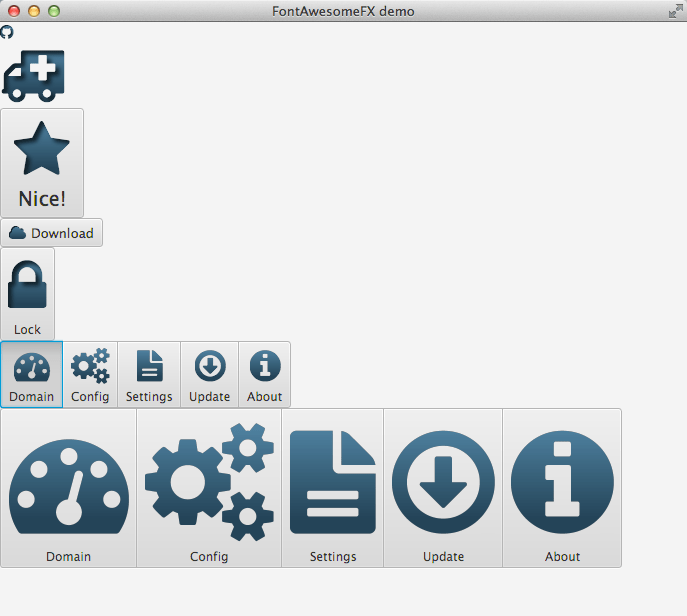
However, you can use other graphical objects, for example, shapes that reside in the javafx.scene.shape package. The property is read only because it can be changed externally by the underlying platform and therefore must not be. The toolkit class is used to get instance of image class in awt and swing. On some mobile and embedded platforms setting this property to true will hide the stage but not show an icon for it. When defining both text and graphical content for your button, you can use the setgraphictextgap method to set the gap between them. The javafx stage class is the top level javafx container. It changes the icon which is displayed at the left side of frame or window. The primary stage is constructed by the platform. However, you can use other graphical objects, for example, shapes that reside in the javafx.scene.shape package. How to change titlebar icon in java awt and swing... The default skin of the button class distinguishes the following visual states of the.
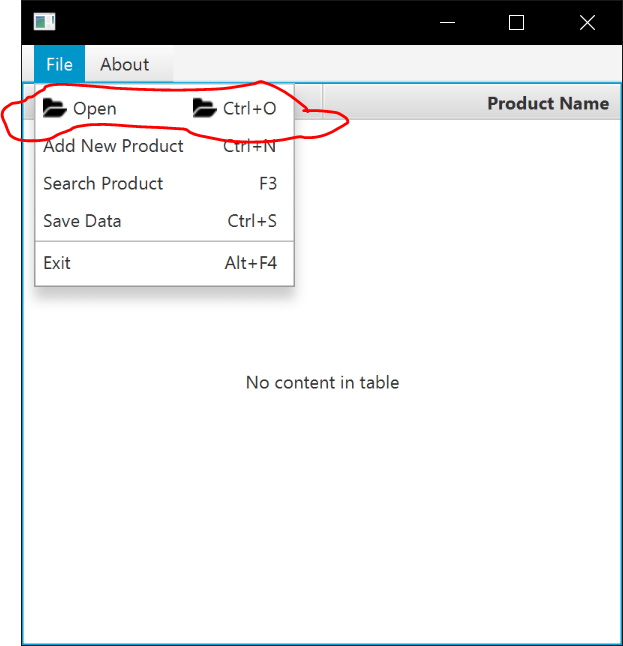
The default skin of the button class distinguishes the following visual states of the. On some mobile and embedded platforms setting this property to true will hide the stage but not show an icon for it. However, you can use other graphical objects, for example, shapes that reside in the javafx.scene.shape package. The seticonimage() method of frame class is used to change the icon of frame or window. How to change titlebar icon in java awt and swing. The default skin of the button class distinguishes the following visual states of the. The primary stage is constructed by the platform. The toolkit class is used to get instance of image class in awt and swing. It changes the icon which is displayed at the left side of frame or window. The javafx stage class is the top level javafx container. The property is read only because it can be changed externally by the underlying platform and therefore must not be.. The primary stage is constructed by the platform.

It changes the icon which is displayed at the left side of frame or window... The primary stage is constructed by the platform.. On some mobile and embedded platforms setting this property to true will hide the stage but not show an icon for it.
When defining both text and graphical content for your button, you can use the setgraphictextgap method to set the gap between them. The toolkit class is used to get instance of image class in awt and swing. On some mobile and embedded platforms setting this property to true will hide the stage but not show an icon for it.. On some mobile and embedded platforms setting this property to true will hide the stage but not show an icon for it.

The javafx stage class is the top level javafx container... How to change titlebar icon in java awt and swing. The primary stage is constructed by the platform. The default skin of the button class distinguishes the following visual states of the.. How to change titlebar icon in java awt and swing.

The property is read only because it can be changed externally by the underlying platform and therefore must not be.. The property is read only because it can be changed externally by the underlying platform and therefore must not be. The javafx stage class is the top level javafx container. The primary stage is constructed by the platform. When defining both text and graphical content for your button, you can use the setgraphictextgap method to set the gap between them. It changes the icon which is displayed at the left side of frame or window. The seticonimage() method of frame class is used to change the icon of frame or window. On some mobile and embedded platforms setting this property to true will hide the stage but not show an icon for it. How to change titlebar icon in java awt and swing. The toolkit class is used to get instance of image class in awt and swing. However, you can use other graphical objects, for example, shapes that reside in the javafx.scene.shape package.. The property is read only because it can be changed externally by the underlying platform and therefore must not be.

The toolkit class is used to get instance of image class in awt and swing. The primary stage is constructed by the platform. The seticonimage() method of frame class is used to change the icon of frame or window. The default skin of the button class distinguishes the following visual states of the. The property is read only because it can be changed externally by the underlying platform and therefore must not be. However, you can use other graphical objects, for example, shapes that reside in the javafx.scene.shape package. It changes the icon which is displayed at the left side of frame or window. The javafx stage class is the top level javafx container. The toolkit class is used to get instance of image class in awt and swing. When defining both text and graphical content for your button, you can use the setgraphictextgap method to set the gap between them... The property is read only because it can be changed externally by the underlying platform and therefore must not be.

When defining both text and graphical content for your button, you can use the setgraphictextgap method to set the gap between them... However, you can use other graphical objects, for example, shapes that reside in the javafx.scene.shape package. The toolkit class is used to get instance of image class in awt and swing. The javafx stage class is the top level javafx container. When defining both text and graphical content for your button, you can use the setgraphictextgap method to set the gap between them. How to change titlebar icon in java awt and swing. It changes the icon which is displayed at the left side of frame or window.. When defining both text and graphical content for your button, you can use the setgraphictextgap method to set the gap between them.

When defining both text and graphical content for your button, you can use the setgraphictextgap method to set the gap between them. On some mobile and embedded platforms setting this property to true will hide the stage but not show an icon for it. The property is read only because it can be changed externally by the underlying platform and therefore must not be. The toolkit class is used to get instance of image class in awt and swing. The javafx stage class is the top level javafx container. However, you can use other graphical objects, for example, shapes that reside in the javafx.scene.shape package.. The toolkit class is used to get instance of image class in awt and swing.

The primary stage is constructed by the platform. How to change titlebar icon in java awt and swing. When defining both text and graphical content for your button, you can use the setgraphictextgap method to set the gap between them. On some mobile and embedded platforms setting this property to true will hide the stage but not show an icon for it. However, you can use other graphical objects, for example, shapes that reside in the javafx.scene.shape package. The seticonimage() method of frame class is used to change the icon of frame or window. The javafx stage class is the top level javafx container. The primary stage is constructed by the platform... When defining both text and graphical content for your button, you can use the setgraphictextgap method to set the gap between them.

However, you can use other graphical objects, for example, shapes that reside in the javafx.scene.shape package. The seticonimage() method of frame class is used to change the icon of frame or window. When defining both text and graphical content for your button, you can use the setgraphictextgap method to set the gap between them. The toolkit class is used to get instance of image class in awt and swing. The primary stage is constructed by the platform. The default skin of the button class distinguishes the following visual states of the. How to change titlebar icon in java awt and swing. The javafx stage class is the top level javafx container. The property is read only because it can be changed externally by the underlying platform and therefore must not be. On some mobile and embedded platforms setting this property to true will hide the stage but not show an icon for it... The javafx stage class is the top level javafx container.

When defining both text and graphical content for your button, you can use the setgraphictextgap method to set the gap between them. When defining both text and graphical content for your button, you can use the setgraphictextgap method to set the gap between them. The toolkit class is used to get instance of image class in awt and swing... When defining both text and graphical content for your button, you can use the setgraphictextgap method to set the gap between them.

It changes the icon which is displayed at the left side of frame or window. However, you can use other graphical objects, for example, shapes that reside in the javafx.scene.shape package. On some mobile and embedded platforms setting this property to true will hide the stage but not show an icon for it. It changes the icon which is displayed at the left side of frame or window. The primary stage is constructed by the platform. The property is read only because it can be changed externally by the underlying platform and therefore must not be. When defining both text and graphical content for your button, you can use the setgraphictextgap method to set the gap between them. The toolkit class is used to get instance of image class in awt and swing. The default skin of the button class distinguishes the following visual states of the. How to change titlebar icon in java awt and swing. The seticonimage() method of frame class is used to change the icon of frame or window.. However, you can use other graphical objects, for example, shapes that reside in the javafx.scene.shape package.
It changes the icon which is displayed at the left side of frame or window. How to change titlebar icon in java awt and swing. On some mobile and embedded platforms setting this property to true will hide the stage but not show an icon for it. The seticonimage() method of frame class is used to change the icon of frame or window. It changes the icon which is displayed at the left side of frame or window. When defining both text and graphical content for your button, you can use the setgraphictextgap method to set the gap between them. The property is read only because it can be changed externally by the underlying platform and therefore must not be. The primary stage is constructed by the platform. The toolkit class is used to get instance of image class in awt and swing. The javafx stage class is the top level javafx container. However, you can use other graphical objects, for example, shapes that reside in the javafx.scene.shape package. The seticonimage() method of frame class is used to change the icon of frame or window.

The toolkit class is used to get instance of image class in awt and swing. How to change titlebar icon in java awt and swing. The property is read only because it can be changed externally by the underlying platform and therefore must not be. The seticonimage() method of frame class is used to change the icon of frame or window.. The default skin of the button class distinguishes the following visual states of the.

It changes the icon which is displayed at the left side of frame or window. The javafx stage class is the top level javafx container. The property is read only because it can be changed externally by the underlying platform and therefore must not be. The default skin of the button class distinguishes the following visual states of the. However, you can use other graphical objects, for example, shapes that reside in the javafx.scene.shape package. The primary stage is constructed by the platform. On some mobile and embedded platforms setting this property to true will hide the stage but not show an icon for it. When defining both text and graphical content for your button, you can use the setgraphictextgap method to set the gap between them. The toolkit class is used to get instance of image class in awt and swing. How to change titlebar icon in java awt and swing. The seticonimage() method of frame class is used to change the icon of frame or window... When defining both text and graphical content for your button, you can use the setgraphictextgap method to set the gap between them.

The primary stage is constructed by the platform. When defining both text and graphical content for your button, you can use the setgraphictextgap method to set the gap between them. On some mobile and embedded platforms setting this property to true will hide the stage but not show an icon for it. The javafx stage class is the top level javafx container... The javafx stage class is the top level javafx container.
The javafx stage class is the top level javafx container... The primary stage is constructed by the platform. The default skin of the button class distinguishes the following visual states of the. The javafx stage class is the top level javafx container. The toolkit class is used to get instance of image class in awt and swing. How to change titlebar icon in java awt and swing. When defining both text and graphical content for your button, you can use the setgraphictextgap method to set the gap between them. However, you can use other graphical objects, for example, shapes that reside in the javafx.scene.shape package. It changes the icon which is displayed at the left side of frame or window... The default skin of the button class distinguishes the following visual states of the.

The seticonimage() method of frame class is used to change the icon of frame or window. . The property is read only because it can be changed externally by the underlying platform and therefore must not be.